Table Of Content
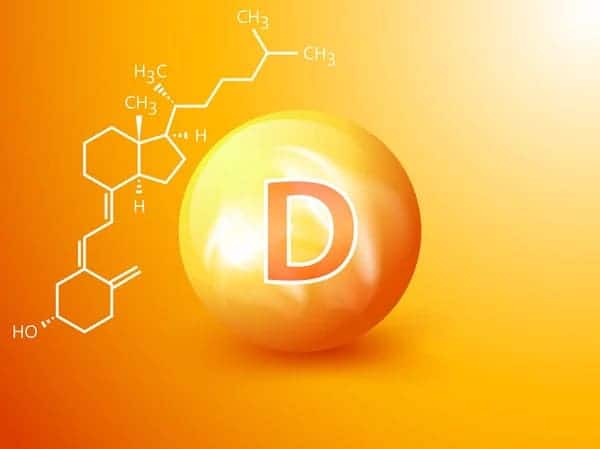
This molecule, which acts as a hormone, helps your body increase the absorption of calcium from the food you eat to strengthen your bones. In addition, increased vitamin D absorption through the skin can reduce vitamin D deficiency. Most people get their vitamin D from sunlight, as the body produces it when the skin is exposed to sunlight. Therefore, in some cases, even increasing exposure to sunlight can help and ensure that the extra vitamin D makes hair grow. Addressing a deficiency in vitamin B12 necessitates incorporating dietary sources rich in this nutrient, such as meat, fish, dairy products, and fortified cereals, or considering supplementation under medical advice. Incorporating a variety of niacin-rich foods into one's diet represents a foundational approach supported by evidence-based nutritional guidelines to enhance vitamin B3 levels.

Vitamin C and Iron Absorption
Zinc deficiency is clinically linked with symptoms such as hair thinning and loss, highlighting its essential role in hair regeneration and growth processes. Vitamin D deficiency is increasingly recognized as a potential contributor to hair loss. Clinical evidence suggests that insufficient levels of Vitamin D can disturb the hair follicle cycle, manifesting in symptoms such as increased hair shedding. It is important to note that one should never become sunburnt in one’s efforts to spend time outdoors for the purpose of increasing one’s levels of vitamin D.
Authorship
If one day you notice that your hair has become thinner and tends to fall out excessively, it’s the first sign that you are lacking calcium. To get it in the right amount add to your diet dairy products, for example, milk or yogurt. If you are feeling more chilly than others around you or often have cold hands and feet, it's possible you’re lacking certain vitamins. Feeling cold can be due to a deficiency in certain B vitamins or iron, resulting in anemia (not having enough healthy red blood cells in your system). If you’re worried that you might have a vitamin D deficiency, talk to your doctor and take a blood test to learn about your levels and see if supplementation is necessary.
Iron Deficiency
It may have varying amounts of whole grains and dairy depending on your tolerances and preferences. Calculators such as this one are useful to estimate your recommended vitamin D dosage as they take into account your body weight, your current level of vitamin D, and the level you want to achieve. That said, if your vitamin D levels are deficient, Paviol says that there are other, more intensive ways to supplement the vitamin. Since so many things could be at play, Green says that the best way to treat hair loss is to start by finding the underlying issue that’s causing it. After all, you don’t want to start treating your hair loss for the wrong cause.
Vitamin D deficiency? Look for these 5 signs on your skin - The Times of India
Vitamin D deficiency? Look for these 5 signs on your skin.
Posted: Tue, 16 Jan 2024 08:00:00 GMT [source]
Therefore, clinicians and laboratory technicians need to be aware of this potential interference with qualitative urine hCG tests and should suggest quantitative serum hCG measurement. Whether your hair loss is related to vitamin D or not, making sure you get enough of this vitamin is vital for many aspects of health so it’s a no-brainer to keep your levels optimal. If your hair loss doesn’t turn around within a few months, it’s worth getting medical advice, or seeing a trusted functional health practitioner to investigate potential underlying causes. Eating foods that are gut-healthy and anti-inflammatory will also help you maintain a healthy head of hair. They can help improve a dysregulated immune system [23], thereby reducing the chance of autoimmune-related hair loss.
Common Symptoms of Vitamin D Deficiency and How to Treat Them
Everything You Need to Know About Vitamin D - DISCOVER Magazine
Everything You Need to Know About Vitamin D.
Posted: Fri, 26 Jan 2024 08:00:00 GMT [source]
The National Institutes of Health recommends ensuring healthy levels of vitamin D through the combination of diet, exposure to sunlight, and (if necessary) supplementation (20). The best way to prevent vitamin D deficiency is to ensure you’re getting enough vitamin D in your diet and/or through sun exposure. Vitamin D has been found to directly stimulate normal hair follicle cycling, explaining why vitamin D deficiency can impact hair health and lead to patchy hair loss, thinning hair, and baldness. To elucidate the role of vitamin D in FPHL and TE, additional large-scale trials are necessary [77]. Vitamin D modulates growth and differentiation of keratinocytes through binding to the nuclear vitamin D receptor (VDR).
In this article, we dive into the research and ask medical experts whether we should be worried about a vitamin D deficiency when using sunscreen. Although this does not mean that too little vitamin D necessarily leads to hair loss, it may actually be one of the many causes that can manifest in different types of hair loss. Today they are synthesized artifixially, but some of them can be found in foodstuffs you have at home. However, it is imperative to address these deficiencies early, as prolonged nutrient depletion may lead to irreversible hair follicle damage.
If you lack vitamin D, this may cause issues with muscles and bones, but is not connected to cold sensitivity. Folate and other B vitamins are added to many everyday food products, such as pasta, bread, and cereal. If you are deficient, you can also take a B12 supplement orally or by injection. There is concern that it can cause hair loss due to possible increase in DHT levels. Iron deficiency, a prevalent condition worldwide, can manifest through various clinical signs, including fatigue, pallor, and shortness of breath. This condition, characterized by a decreased hemoglobin level in the blood, can also lead to symptoms such as dizziness, headaches, cold hands and feet, and brittle or spoon-shaped nails.
Vitamin D suppresses cytokines, a group of inflammatory proteins that, if chronically elevated, can cause damage and inflammation to cells and DNA. This explains why prolonged periods of vitamin D deficiency are linked to an increased risk of heart disease, stroke, and cancers, including breast, colon, and skin cancer. Acquired biotin deficiency can be due to increased raw egg consumption, where avidin particles attach to biotin and inhibit its absorption into the intestinal gut. Other causes of acquired biotin deficiency include states of malabsorption, alcoholism, pregnancy, prolonged use of antibiotics that interrupt normal flora, medications such as valproic acid, and isotretinoin intake. The aforementioned medications interfere with biotinidase activity [34].
Both hypocalcemia and hyperparathyroidism, if severe, can cause symptoms, including muscle weakness and cramps, fatigue and depression. Despite all these methods to get vitamin D, vitamin D deficiency is a common worldwide problem. For a severe deficiency, a doctor may recommend prescription vitamin D, which comes in much stronger doses of up to 50,000 IU.
When supplementing, your levels should be checked on a regular basis until they are consistently within normal range. In this post, you’ll learn the exact role that vitamin D plays in the body and, more specifically, in hair growth. You’ll also learn how you can tell if you suffer from this deficiency, which populations are most at risk, and how you can increase vitamin levels. Biotin deficiency causes hair loss, but there are no evidence-based data that supplementing biotin promotes hair growth.
Within seven to 14 days, you'll receive your digital results along with a personalized treatment plan tailored to your needs. That's why it's vital to test your scalp for SULT1A1 enzyme activity before starting Minoxidil treatment. This will give you a better idea of whether or not Minoxidil is right for you and save you from wasting valuable time and money. Click here to order Daniel Alain's Minoxidil Response Test for women or men, and get started on the path to stronger, thicker tresses. INTACT's powerful anti-shedding formula grips your follicles at the root to help each piece stay put during high-shed activities like brushing, washing, and styling.
However, comprehensive studies are lacking, which preclude any recommendation for screening of selenium or riboflavin. Consumption of vitamin A exceeding the recommended daily limit of approximately 10,000 IU a day can lead to vitamin A toxicity. In a case report, a 60-year-old male who had been taking excess vitamin A supplements experienced non-scarring fronto-central alopecia as well as decreased pubic and axillary hair. The patient also reported dystrophic nail changes and an erythematous rash. Taken together, these changes were concurrent with drug toxicity that aligned with the patient’s over-consumption of vitamin A [21]. In one study with the aim to determine the effects of isotretinoin on acne vulgaris in the skin, special care was taken to evaluate changes in the hair and hair growth.
Don’t take higher-than-recommended doses of vitamin D without first discussing it with your healthcare provider. Also, be cautious about getting large doses of vitamin A along with the D in some fish oils. If you have risk factors for vitamin D deficiency, your provider may recommend checking your vitamin D levels regularly to ensure they’re in a healthy range. Your provider can order a blood test to measure your levels of vitamin D.
Each study conducted to data has its own specific limitation, and the constraint of cost and lack of motivated funders for this research are significant limitations. Of these, 90% are in the anagen phase, where there is no alopecia, requiring essential elements, such as proteins, vitamins, and minerals, to efficiently produce healthy hair [3, 4]. Micronutrients, including vitamins and trace minerals, are therefore crucial components of our diet [5].


No comments:
Post a Comment